City Seasons Suites, Dubai

Neonatal World Conference 2026
Speakers - NEO2026
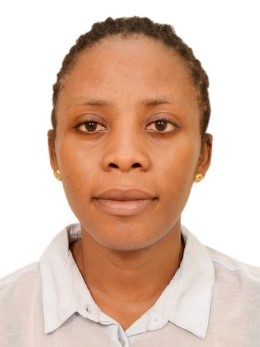
Masamandang Christabel
- Designation: RN, Pediatric Nurse Specialist, Organisation pour le Service et la Vie (OSV) , Benin
- Country: Benin-Cotonou
- Title: Neonatal Vulnerability According to Living Conditions: Influence of Family Health Practices and Socio Economic Conditions in Benin
Abstract
Background
Family health practices and socio-economic conditions directly influence the vulnerability of newborns and the risk of complications after hospital discharge. These practices refer in particular to hygiene, feeding, vaccination and disease prevention by parents. The same applies to children from low-income families living in overcrowded environments or far from health facilities, which limits their access to care and follow-up. In the context of Benin, where data on these factors and their influence on neonatal readmission remain limited, the relevance of this study is fully justified.
Objective
Explain the influence of family health practices, including hygiene, feeding, vaccination and disease prevention, as well as socio-economic conditions such as household income, housing conditions and distance to a health centre, on neonatal readmission after hospital discharge in Benin.
Methods
A qualitative approach was used to analyse the influence of family health practices and socio-economic conditions on neonatal vulnerability after hospital discharge. The participants include 31 mothers selected through purposive sampling and based on their availability, accessibility and acceptance to participate in the study. The first data collection technique is the semi-structured interview, conducted face-to-face and by telephone using an interview guide. The second technique is direct observation using an observation grid. The data collected relate to readmission, hygiene, feeding, vaccination and disease prevention, as well as household income, housing conditions and proximity to health facilities. After transcription and organization of the data, thematic analysis made it possible to identify the dimensions of family practices and socio-economic conditions associated with neonatal vulnerability.
Results
Cross-analysis of the different themes reveals two opposite profiles (protected and vulnerable) that characterize the trajectories observed after discharge from the CHU-MEL. These profiles help explain how the information provided, the practices implemented and the living conditions influence the risk of readmission. They also shed light on the marked differences between children who do not return for hospitalization and those who show a more fragile pathway.
The protected profile is found mainly among non-readmitted children. These families received clear information at discharge, a record or sheet, and a schedule of consultations and vaccinations. They implement adequate hygiene, use insecticide-treated mosquito nets and manage breastfeeding relatively well. They sometimes have insurance, can pay for prescriptions and may transfer follow-up to a closer health centre. Under these conditions, no readmission to CHU-MEL is observed even when episodes of illness occur, as they are managed in outpatient consultation.
The vulnerable profile concerns more often the readmitted children. At discharge, the information transmitted is partial or absent, with no record and no discussion about breastfeeding, hygiene or vaccination. Feeding difficulties persist, vaccination is delayed or not carried out despite periods of good health, and warning signs are probably poorly recognized or anticipated. The socio-economic context is also unfavourable, with no insurance, financial difficulties in purchasing medication, long distance to the CHU-MEL and sometimes overcrowded housing. This leads to delayed care, worsening of the child’s condition and unfavourable outcomes, including one case of death.
Conclusion
Neonatal vulnerability reflects the determining influence of family practices and socio-economic conditions, including insufficient hygiene, feeding difficulties, incomplete vaccination, poor recognition of danger signs and limited disease prevention. Poor housing conditions, distance to health centres and financial constraints further exacerbate this fragility. To reduce post-discharge complications that may lead to readmission, it is essential to harmonize parental education before discharge, strengthen staff training and improve coordination with social services. A national protocol for the management and follow-up of preterm or low birthweight newborns must be developed. Strengthening community health programs is also necessary to ensure neonatal follow-up during home visits and to disseminate information on existing social-health protection programs.
With immense excitem ...
Read More>>
